
If your carbon monoxide alarm sounds, get everyone outside into fresh air immediately. Call 911 from outside the home and stay out until emergency responders say it is safe to return. Once the home is cleared, have a qualified professional identify and correct the source before using the affected appliance again.
What Causes Carbon Monoxide in a House?
Carbon monoxide (CO) forms when fuel doesn’t burn completely, or combustion gases cannot vent outside properly. In Calgary homes, potential sources include furnaces, gas water heaters, fireplaces and garage heaters.
Winter adds another concern: snow and ice can block exterior vents, interfering with exhaust removal. Since CO has no smell or colour, working alarms and regular gas appliance inspections are essential.
What Carbon Monoxide Is and Why It Is Hard to Notice
Carbon monoxide is a poisonous gas that can build up indoors when fuel-burning appliances malfunction or exhaust gases cannot escape properly. Unlike smoke, it produces no visible warning, and unlike natural gas, it has no added odour.
Exposure can cause headaches, nausea, dizziness, fatigue and confusion. Severe exposure can be life-threatening. If your CO alarm sounds or you suspect exposure, get everyone outside into fresh air and call 911 from outside. Do not re-enter until emergency responders say it is safe.
Carbon monoxide is not the same as a natural gas leak. Natural gas has a distinctive rotten-egg smell because an odorant is added to help detect leaks. CO is odourless, so you cannot rely on smell to identify its presence. If you suspect a gas leak, leave the building and follow the appropriate emergency procedures.
Where Carbon Monoxide Comes From in a Calgary Home
A furnace is one of the main household sources of carbon monoxide, but it is not the only appliance worth checking. Any equipment that burns fuel can produce CO if something goes wrong with combustion or venting.
Here are the places to pay attention to.
The Furnace
Your furnace burns natural gas or propane to heat the home. The combustion gases should travel through the heat exchanger and out through the exhaust system without entering the indoor air. A damaged heat exchanger, burner problem or blocked or disconnected vent can interfere with that process. A furnace that shuts down repeatedly or shows visible signs of corrosion, soot or vent damage deserves professional attention. A furnace can also develop a problem without an obvious external sign. That is one reason an annual inspection is more useful than relying on a quick visual check alone.
The Gas Water Heater
Older gas water heaters may use natural-draft venting, which relies on the movement of hot exhaust gases up a chimney or vent. If the draft is inadequate or the vent becomes blocked, combustion gases may spill back into the home. Changes to a home’s heating equipment can also affect an existing venting arrangement. For example, replacing an older furnace while leaving a water heater connected to a shared chimney can change how the remaining appliance drafts. A qualified technician can check whether the setup is appropriate.
The Gas Fireplace
A gas fireplace needs a clear, correctly installed venting system where applicable. Obstructions, damaged components or an incorrect operating setup can interfere with the safe removal of combustion gases. Follow the manufacturer’s instructions for your fireplace, including the correct position of the damper on models that have one. If you notice soot, unusual flame behaviour or damage around the unit, stop using it until it has been checked.
The Gas Range
A gas range can produce carbon monoxide during combustion, although a properly operating appliance used as intended should not be treated as a source of constant danger. Problems with burner adjustment or ventilation can affect combustion. Never use a gas range or oven to heat your home. These appliances are designed for cooking, not space heating.
The Garage Heater and Attached Garage
A gas-fired garage heater is another fuel-burning appliance that needs proper installation, combustion and venting. Vehicles are a separate concern. Running a car in an attached garage can allow exhaust to enter the house, even if the garage door is open. Start the vehicle outside instead, and keep the door between the garage and living space closed.
Portable and Emergency Equipment
Generators, camping stoves, barbecues and other fuel-burning equipment produce combustion gases. They must never be used inside a home, garage or shed, even during a power outage. Operate portable generators outdoors, at least 6 metres (20 feet) from the home or another building, following the manufacturer’s instructions. Keep them away from doors, windows and other openings.
None of these appliances is inherently unsafe when correctly installed, maintained, and used as intended. The concern is what happens when combustion or venting no longer works as it should.
Why Winter and Snow Make the Risk Worse Here
Everything Runs at Once in a Sealed House
During a Calgary cold snap, the furnace may run for long stretches, the water heater has to recover more frequently, and windows remain shut. That does not automatically make a home unsafe, but it can expose a problem with an appliance that has not been operating or venting correctly.
A system that seemed fine during fall’s milder temperatures still needs to be ready for sustained winter use.
Snow and Ice Can Block Side-Wall Vents
This is one of the most useful checks for Calgary homeowners to make after a snowfall.
Many high-efficiency furnaces and some tankless water heaters use plastic intake and exhaust pipes that exit through an exterior wall. Depending on the installation, these pipes may sit relatively close to the ground.
Snow drifting against the house, piles left by a snowblower or plow, and ice forming during a chinook melt-and-refreeze cycle can obstruct those openings. A blocked intake or exhaust can interfere with appliance operation and venting, potentially causing a shutdown or an unsafe condition.
Walk around the outside of your home and locate the visible vents for your furnace and other fuel-burning equipment. Keep the required clearance around them according to the manufacturer’s instructions and check them after heavy snowfall and significant thaws.
Do not push tools into the pipes, dismantle venting or attempt repairs. If a vent is iced over, damaged or difficult to clear safely, contact a qualified technician.
Older Homes and Shared Chimneys
Some older Calgary homes have a mid-efficiency furnace and a gas water heater connected to a shared chimney. If one appliance is replaced or the venting arrangement is altered, the remaining equipment may no longer draft as intended.
This is not something you can determine by looking at the chimney from outside. A technician should assess the configuration, vent sizing and draft as part of the appliance inspection.
Warning Signs You Can See Without Any Tools
A visual check can help you spot a reason to call a professional. It cannot confirm that an appliance is free of carbon monoxide.
Look for these signs around your furnace, water heater, fireplace and their venting:
- Soot, rust or dark staining: Deposits around an appliance or vent may indicate a combustion or venting problem.
- A pilot light that keeps going out: Repeated outages need investigation rather than constant relighting.
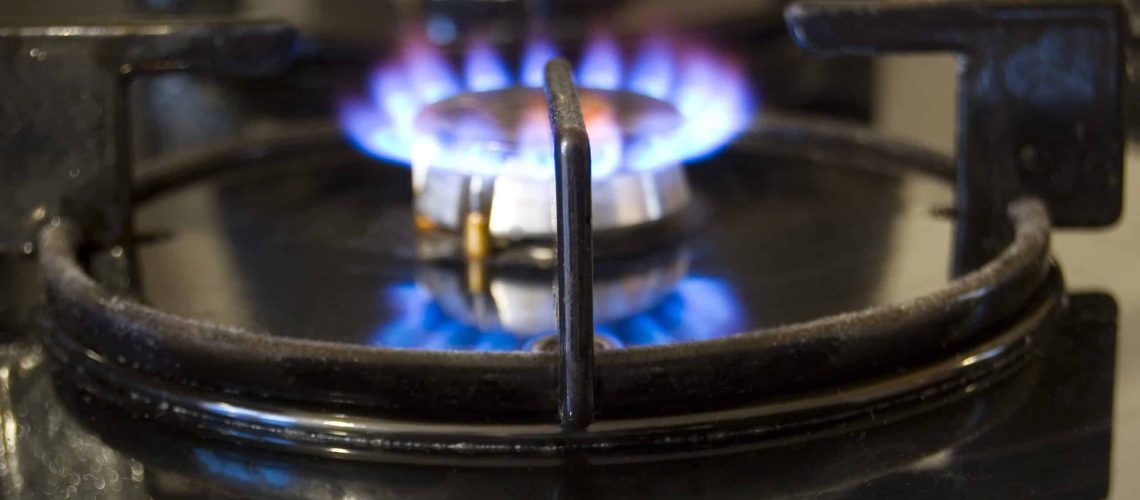
- A yellow or orange burner flame: A flame that is persistently yellow or orange rather than the expected blue can indicate a combustion issue. Flame appearance alone cannot diagnose the cause.
- Unusual condensation: Heavy moisture on windows or walls near an appliance may warrant a closer look, particularly alongside other warning signs.
- Damaged vent piping: Loose connections, visible corrosion, disconnected sections or sagging pipes should be checked by a qualified professional.
- Soot or scorching near a fireplace: Dark marks above the opening or around vent connections can indicate a problem that needs inspection.
- A stale or stuffy indoor environment: This is not carbon monoxide itself, which is odourless, but it may be one of several signs that warrant further investigation.
If a carbon monoxide alarm sounds or anyone develops possible CO poisoning symptoms, leave immediately and call 911. Do not stay inside to investigate these signs.
For anything that involves opening an appliance, adjusting a burner, testing combustion or altering gas piping and venting, bring in an appropriately certified professional. In Alberta, work on natural gas and propane equipment is regulated, and the required certification depends on the work being performed.
Learn more about hiring a licensed gas fitter or explore TipTop’s gas fitting services in Calgary.
Carbon Monoxide Alarms: How Many, Where, and When to Replace Them
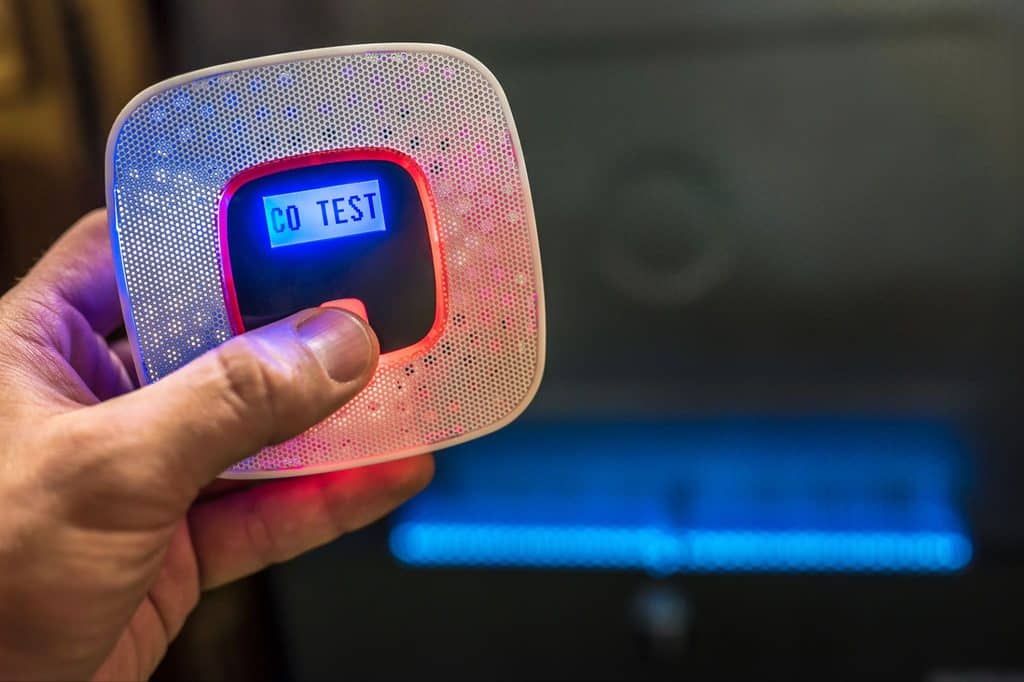
An appliance inspection and a working alarm serve different purposes. An inspection can identify problems with equipment and venting. An alarm warns you if carbon monoxide reaches a level that triggers the device. You need both.
How Many Alarms Do You Need, and Where Should They Go?
The City of Calgary recommends installing at least one carbon monoxide alarm on every level of the home, including the basement. Place alarms in or near sleeping areas so people can hear them while asleep. If closed bedroom doors prevent the alarm from being heard, additional alarms inside the bedrooms may be appropriate.
Follow the alarm manufacturer’s installation instructions and the applicable local requirements. Choose an alarm certified for use in Canada, and check the packaging for a recognized Canadian certification mark.
Avoid guessing at the best location. Installation requirements vary by alarm model. Follow the manufacturer’s specified clearances from appliances, windows, vents and other potential sources of interference, and do not install an alarm in a location the instructions prohibit.
For the official local guidance, see the City of Calgary’s carbon monoxide alarm recommendations.
What Does Carbon Monoxide Detector Beeping Mean?
The sound depends on the alarm model, so check the manufacturer’s instructions. A low-battery warning or an end-of-life chirp is different from an alarm indicating carbon monoxide, but the patterns are not identical across every product.
- A repeated emergency alarm: Get everyone outside immediately, call 911 from outside and do not re-enter until emergency responders say it is safe.
- An occasional chirp: This may indicate a low battery, a fault or that the alarm has reached the end of its service life. Check the manual and address the warning promptly.
- A sound you cannot identify: Treat it as a possible emergency. Leave the home and call 911 from outside rather than assuming the alarm only needs a battery.
Do not remove the battery or disconnect the alarm simply to stop the noise. If you are unsure what the sound means, your safety comes first.
Do Carbon Monoxide Detectors Expire?
Yes. Carbon monoxide alarms have a limited service life, and the replacement interval depends on the model. Many are rated for approximately five to ten years, but the manufacturer’s instructions are the authority for your specific device.
Check the manufacture date, replacement date or end-of-life information on the back or side of the alarm. If the unit is due for replacement, replace it rather than relying on a fresh battery to extend its life.
It is also worth testing alarms regularly using the test button, replacing batteries as directed and checking that every unit can be heard from sleeping areas. A test button checks the alarm’s function according to the manufacturer’s design; it is not a substitute for professional appliance inspection.
Calgary Fire Department reported attending more than 700 carbon monoxide incidents in 2024, the highest annual total since 2020, with most calls occurring during the November-to-February heating season. That is a useful reminder to check alarms before winter is fully underway. Read the City of Calgary’s report on local CO incidents.
Your Annual Gas Appliance Safety Check
A homeowner can clear snow from around an accessible exterior vent, test alarms and look for visible signs of damage. Those checks are worthwhile, but they cannot tell you whether a heat exchanger is damaged, a burner is combusting correctly or an appliance is drafting safely.
A qualified technician can inspect the appliance and its venting, assess burner condition and flame quality, check draft where applicable, perform combustion testing and verify that safety controls operate as intended. The exact inspection depends on the appliance and its manufacturer’s requirements.
The check should not automatically stop at the furnace. If your home has a gas water heater, fireplace or garage heater, ask about having those appliances and their venting assessed as well.
Before winter, add these simple tasks to your household checklist:
- Keep exterior exhaust vents clear of snow, ice and debris.
- Change your furnace filter according to the manufacturer’s schedule.
- Test your carbon monoxide alarms and check their replacement dates.
- Never use a barbecue, camping stove or generator inside the house, garage or shed.
- Never warm up a vehicle inside an attached garage, even with the garage door open.
- Have fuel-burning appliances inspected at least annually, or according to the manufacturer’s instructions.
- Arrange chimney inspection and cleaning for a wood-burning fireplace as recommended.
If you already book a seasonal furnace tune-up, ask whether the appointment covers only the furnace or includes any other gas appliances you want checked. A separate appliance may require its own inspection.
Calgary’s hard water is another consideration for homeowners maintaining their mechanical equipment. If your home has a whole-house humidifier, include its water supply, drain and mineral buildup in the seasonal maintenance routine.
FAQ
Do carbon monoxide detectors expire?
Yes. Their service life depends on the model, often falling within a five-to-ten-year range. Check the manufacturer’s replacement instructions and the date printed on the alarm. Replace the unit when it reaches the end of its service life.
Can a gas water heater or gas fireplace produce carbon monoxide?
Yes. Both burn fuel and can produce carbon monoxide if combustion or venting is compromised. Correct installation, regular maintenance and functioning CO alarms help reduce the risk.
Does a blocked furnace vent cause carbon monoxide?
A blocked vent can interfere with safe appliance operation and exhaust removal, potentially creating an unsafe condition. In Calgary, check exterior vents after heavy snowfall and during winter thaw-and-refreeze cycles. Leave appliance repairs and venting work to a qualified professional.
What should I do if my carbon monoxide alarm goes off?
Get everyone outside into fresh air immediately. Call 911 from outside and do not return until emergency responders say the home is safe. Do not re-enter to switch off the furnace or look for the source.
Add a Carbon Monoxide Check to Your Winter Prep
Keep fuel-burning appliances maintained, check exterior vents for blockages, and test your carbon monoxide alarms regularly.
TipTop Plumbing & Heating serves Calgary, Airdrie, and Okotoks, with 24/7 availability for urgent service needs. Our team can inspect your gas appliances and venting to identify potential maintenance concerns.
Book a gas appliance safety inspection with TipTop Plumbing & Heating to discuss your furnace, water heater, fireplace and garage heater before the deep cold arrives. Contact our team to arrange a visit and find out which checks are appropriate for your home.