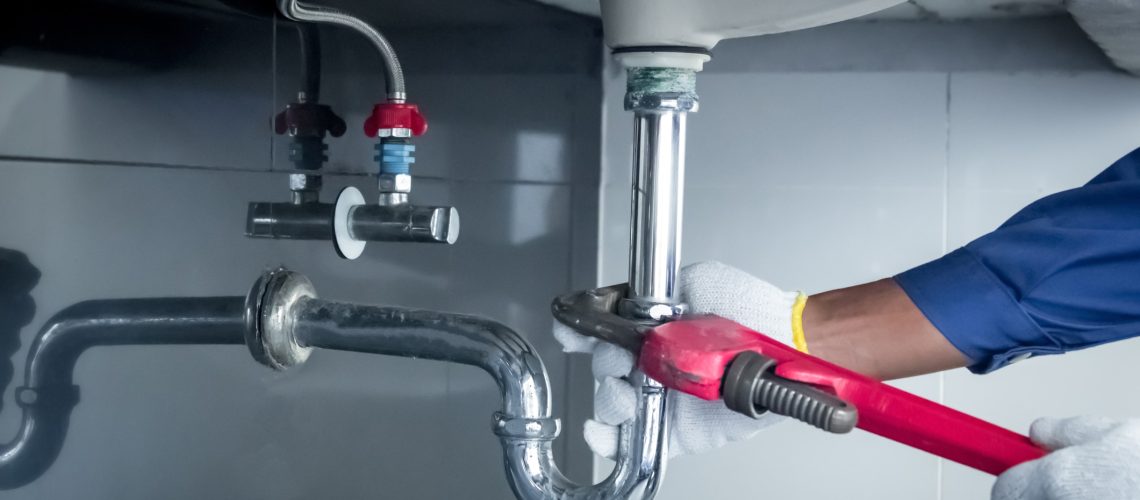

Commercial plumbing systems are built to handle far more use than the plumbing in a typical home. A single office building, restaurant, or retail space may see hundreds of people use its sinks, toilets, and drains over the course of a day, which means even small maintenance issues tend to surface much sooner.
A consistent maintenance routine helps catch those issues early, before they lead to unexpected repairs, water damage, or interruptions to your business. While every property has different plumbing demands, there are several areas that deserve regular attention. This commercial plumbing maintenance checklist covers the components professional plumbers inspect most often and explains what to look for between scheduled service visits.
1. Look for Leaks Before They Become Visible
Not every plumbing leak leaves a puddle on the floor. In commercial buildings, many leaks begin above ceiling tiles, inside mechanical rooms, or behind walls where they can go unnoticed for weeks.
During routine inspections, pay attention to water stains, peeling paint, damp insulation, or musty odours. An unexplained increase in your water bill can also point to a hidden leak.
Catching a small leak early is usually far less expensive than repairing water damage, replacing drywall, or dealing with mould after the fact.
2. Check Water Pressure Throughout the Building
Water pressure affects everything from handwashing stations to commercial kitchen equipment.
Pressure that is too low can make fixtures difficult to use, while consistently high pressure places additional strain on pipes, valves, fittings, and appliances. In larger buildings, pressure can also vary between floors, making regular testing worthwhile.
If employees have started mentioning weak water flow or noisy pipes, it is often a sign that something deserves a closer look.
3. Inspect Drains Before They Become Blocked
A drain rarely goes from working perfectly to completely blocked overnight.
Soap residue, food waste, coffee grounds, grease, mineral buildup, and other debris accumulate gradually, slowing water flow over time. Floor drains deserve just as much attention, especially in utility rooms, commercial kitchens, and mechanical areas where standing water can quickly become a safety concern.
Regular cleaning helps keep drainage moving properly and reduces the likelihood of needing emergency drain cleaning in Calgary.
4. Schedule Regular Commercial Plumbing Inspection
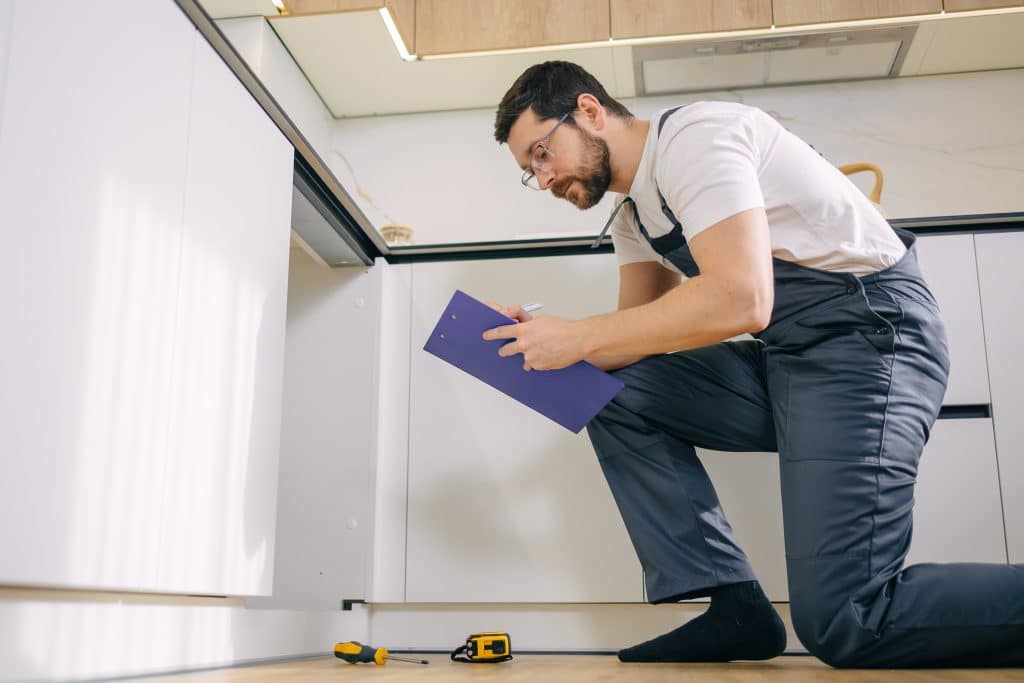
Even with an in-house maintenance team, there is value in having a professional perform a commercial plumbing inspection regularly.
Experienced plumbers know where commercial systems typically begin to fail and can identify problems that are easy to miss during day-to-day building maintenance. Depending on the age of the property and the type of business you operate, annual inspections are often a practical starting point, while higher-use facilities may benefit from more frequent service.
An inspection also provides an opportunity to assess the overall condition of the plumbing system and plan repairs before they become urgent.
5. Keep Water Heaters Running Efficiently
Commercial water heaters work hard every day, particularly in restaurants, fitness facilities, medical offices, and multi-tenant buildings.
Over time, sediment can collect inside the tank, reducing efficiency and forcing the unit to work harder to produce hot water. During maintenance, plumbers typically check for leaks, corrosion, unusual noises, pressure relief valve operation, and signs that the unit may be approaching the end of its service life.
Routine servicing can help improve efficiency and reduce the risk of an unexpected breakdown.
6. Stay on Top of Grease Trap Maintenance
For restaurants, cafés, and commercial kitchens, grease trap cleaning in Calgary should never be treated as an afterthought. Grease traps are designed to capture fats, oils, and grease before they enter the drainage system. As those materials accumulate, the trap becomes less effective and can eventually contribute to unpleasant odours, slow drains, or backups.
The right cleaning schedule depends on how much food is prepared on-site, but regular maintenance helps protect both your plumbing system and your daily operations.
7. Test Backflow Prevention Devices
Backflow prevention devices protect the potable water supply by preventing contaminated water from flowing in the wrong direction.
Because these devices play an important role in public health, many commercial properties are required to complete backflow testing in Calgary on a regular basis. Testing confirms that the device is operating correctly and helps property owners remain compliant with municipal requirements.
If you’re unsure whether your building requires testing, a licensed plumber can review your system and explain the applicable requirements.
8. Exercise Shut-Off Valves
Emergency shut-off valves are easy to forget until they are needed.
Valves that remain untouched for years can seize or become difficult to operate, making it harder to isolate a plumbing problem during an emergency. As part of routine commercial plumbing maintenance, valves should be inspected and operated periodically to confirm they are still functioning properly.
Knowing where your main shut-offs are located can also save valuable time if a pipe ever fails.
9. Don’t Overlook Washrooms and Plumbing Fixtures
Commercial washrooms experience constant use, and even small problems can waste a surprising amount of water.
Running toilets, dripping faucets, leaking flush valves, and worn seals should all be addressed promptly. Aside from increasing utility costs, these issues can leave a poor impression on customers, employees, and tenants.
Routine walkthroughs make it easier to identify repairs before they turn into larger maintenance issues.
10. Adjust Your Maintenance Schedule Throughout the Year
Commercial plumbing is affected by seasonal conditions just as much as daily use.
Winter brings the risk of frozen pipes and additional strain on hot water systems, while spring is a good time to inspect roof drains and outdoor plumbing after months of freezing temperatures. Seasonal inspections also provide an opportunity to identify damage before it affects business operations during the busiest times of the year.
A Checklist Is Only as Good as the Follow-Up
Finding a problem during an inspection is only the first step. The real value of commercial plumbing maintenance comes from addressing small issues before they grow into larger repairs.
Keeping records of inspections, repairs, and recurring concerns can also help identify patterns over time. If the same drain continues to clog or the same fixture repeatedly requires repairs, it may be more cost-effective to replace the component than continue fixing it.
Staying Ahead of Plumbing Problems
Commercial plumbing is expected to work every day with very little attention, but that reliability depends on regular maintenance behind the scenes.
Routine inspections and timely repairs help prevent small issues from turning into costly disruptions. A consistent maintenance plan also gives business owners a clearer picture of their plumbing system and helps them make better decisions over time.
Whether you manage an office, restaurant, retail space, or multi-unit commercial property, Tip Top Plumbing provides expert commercial plumbing in Calgary to help identify potential issues early and keep your plumbing system operating reliably year-round.