
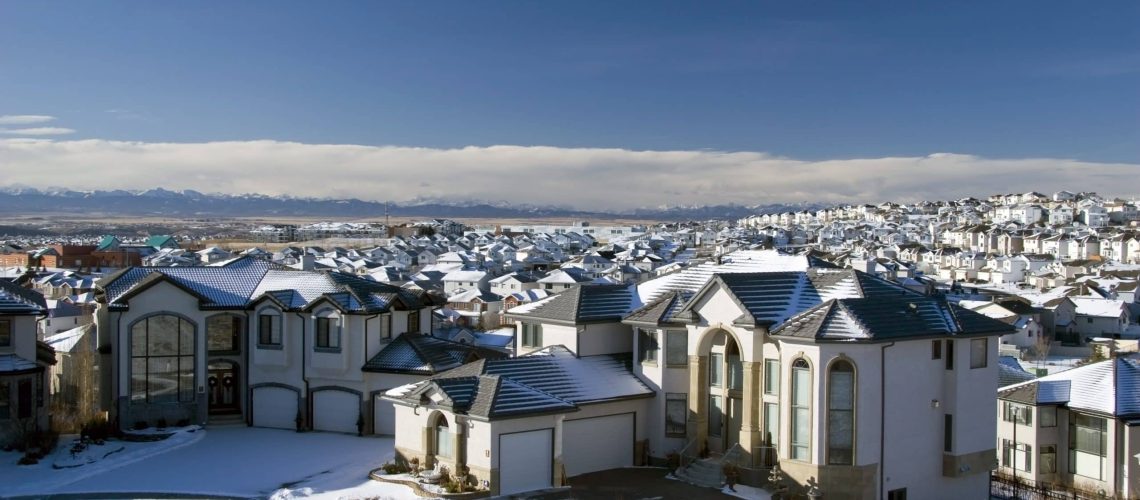

A Calgary chinook can turn a bitterly cold day into a mild one in a matter of hours. Snow starts melting, sidewalks clear, and the temperature outside feels more like spring than winter. But the change in weather doesn’t mean every part of your property has thawed.
Below the surface, the ground can remain frozen long after the air warms up. Pipes in exterior walls, crawl spaces and other poorly heated areas can also stay cold. That difference between outdoor temperatures and conditions around your plumbing is one reason Calgary homeowners can run into water leaks, frozen pipes and drainage problems during the winter and early spring.
Why Calgary Chinooks Can Create Freeze-Thaw Problems
Chinooks are warm, dry winds that move down the eastern slopes of the Rocky Mountains. They can cause temperatures in Calgary to rise quickly, sometimes after several days of severe cold.
That sudden change is welcome outdoors, but it doesn’t warm every part of a home at the same rate. Soil retains cold for much longer than the air above it. Even after snow begins to melt, frost can remain deep underground. The City of Calgary notes that ground temperatures can stay below freezing during warmer periods, including chinook conditions. This is particularly relevant for buried water services, which are affected by frost depth, pipe location and other site-specific conditions.
Inside the home, the situation is different. Pipes in unheated spaces or areas exposed to cold drafts can remain at risk even as outdoor temperatures climb. A warmer afternoon won’t necessarily bring those pipes above freezing.
The important distinction is that a chinook doesn’t automatically cause pipes to freeze. The risk comes from the cold conditions that came before it, the temperature around the pipe and how quickly that environment changes.
How Freeze-Thaw Cycles Damage Plumbing
Water expands as it freezes. Inside a plumbing system, ice can restrict the flow of water and create pressure in sections of pipe. If that pressure becomes high enough, the pipe can crack or split.
The damage may not be visible right away. While ice blocks the pipe, water flow can stop or become restricted. Once temperatures rise and the ice melts, water can pass through the damaged section and escape into the surrounding wall, ceiling, floor or basement.
This is why a leak sometimes appears during a thaw rather than at the coldest point of winter. Repeated temperature changes can also put stress on plumbing components, particularly in areas where pipes are exposed to fluctuating temperatures. Connections and fittings may be vulnerable too, although the risk depends on the pipe material, installation and condition of the system.
A small amount of water escaping from a cracked pipe can cause significant damage if it goes unnoticed. Insulation, drywall, flooring and stored belongings can all be affected.
Which Pipes Are Most at Risk?
Not every pipe in a Calgary home faces the same conditions. The location of the plumbing is often more important than the temperature outside.
Pipes in Exterior Walls
Water lines running through exterior walls can be exposed to cold temperatures, particularly if insulation is insufficient or there are gaps around the wall assembly.
Kitchens and bathrooms are common places to check because water supply lines may run behind cabinets or along outside walls. A draft entering through a small opening can make the space around a pipe considerably colder than the rest of the room.
Pipes in Basements and Crawl Spaces
Basements are generally warmer than the outdoors, but unfinished areas, crawl spaces and sections near foundation walls can still become cold enough to put plumbing at risk.
Pay particular attention to pipes near vents, foundation openings and poorly insulated areas. A basement that feels comfortable in the middle of the room may still have cold spots around its perimeter.
Pipes in Garages and Unheated Areas
Garages, detached buildings and other spaces without consistent heating can expose plumbing to prolonged cold. Water lines serving outdoor taps, utility sinks or other fixtures are especially worth checking before winter temperatures arrive.
Buried Water Service Lines
The water service line brings water from the municipal system into the home. Because it runs underground, its exposure to freezing temperatures depends on factors such as burial depth, soil conditions, water temperature and the property’s location.
The City of Calgary identifies certain properties as having a higher risk of frozen water services based on their history and installation conditions. A chinook may warm the surface, but it does not necessarily thaw the ground around a buried line.
Homeowners who receive a notice through the City’s Frozen Pipes Prevention Program should follow the instructions provided. The program may require a small, continuous flow of water from an indoor tap during the period of risk. This is not a general recommendation for every Calgary home.
Signs Your Pipes May Be Frozen or Damaged
A frozen pipe doesn’t always announce itself with a visible crack or leak. Sometimes, the first sign is a change in water flow. Watch for:
- Little or no water from a tap: If a faucet suddenly produces very little water, a frozen section may be restricting the supply.
- Frost on an exposed pipe: Ice or frost on the outside of a pipe can indicate that the water inside is at risk of freezing.
- Unusual sounds: Banging, gurgling or other unexpected noises may point to a plumbing problem, although they don’t confirm a frozen pipe on their own.
- Damp patches or unexplained water: Wet drywall, discoloured ceilings, water around a pipe or a sudden puddle can indicate a leak.
- A sudden change in water pressure: Reduced flow throughout the home may point to a supply issue. If only one fixture is affected, the problem may be closer to that fixture.
If water flow returns after a cold spell, don’t assume the problem has resolved. A damaged pipe can begin leaking as it thaws. Check accessible plumbing and nearby walls, ceilings and floors for signs of moisture.
What to Do If You Have Frozen Pipes
If you suspect a pipe has frozen, start by identifying which fixtures are affected. If one tap has stopped working but the others are running normally, the blockage may be in the pipe supplying that fixture. If the entire home has lost water, the issue could involve the main supply or the buried service line.
For an accessible frozen pipe inside the home, the City of Calgary recommends opening the nearest faucet and applying gentle heat to the frozen section, working from the faucet toward the blockage. A hair dryer, heating pad, warm towels or hot water bottles can be used.
Keep these precautions in mind:
- Never use a blowtorch, open flame or other direct-flame heat source.
- Avoid applying intense heat to one small section of pipe.
- Keep electrical equipment away from standing water.
- Don’t leave heating equipment unattended.
- Stop if the pipe appears damaged or begins leaking.
If you cannot locate the frozen section, the pipe is inside a wall or the water doesn’t return, contact a qualified plumber. A buried service line may require a different approach from an accessible indoor pipe.
What If a Frozen Pipe Has Burst?
If you discover a leak or burst pipe, locate the main water shut-off valve and turn off the water supply if it is safe to do so. This can help limit further flooding.
If water is near electrical outlets, appliances or the electrical panel, stay clear of the affected area and contact the appropriate emergency service. Once the immediate risk is under control, arrange for the damaged plumbing to be assessed and repaired.
Don’t wait for a small leak to become a larger one. Water can travel behind walls and beneath flooring, so the visible wet area may not show the full extent of the damage.
Can Drain Pipes Freeze Too?
Yes, although frozen drain pipes are less common than frozen water supply lines.
Supply pipes carry pressurized water to fixtures, while drain pipes carry wastewater away. Much of a drain pipe is empty between uses, which generally makes it less susceptible to freezing. However, sections that hold standing water, such as traps and low points, can still freeze in sufficiently cold conditions.
Drain lines can be vulnerable in unheated crawl spaces, garages, exterior walls and other areas with poor insulation. A frozen section may prevent wastewater from leaving a sink, bathtub or floor drain.
Signs of a possible frozen drain include:
- Water draining much more slowly than usual
- A sink, tub or floor drain that stops draining
- Gurgling sounds from the drain
- Water backing up when another fixture is used
If a single drain stops working, the cause could also be a conventional blockage. If several fixtures are backing up at once, the problem may involve the main drain line rather than one frozen section.
Stop using the affected fixture if water isn’t draining. Continuing to run water can lead to a backup. Avoid pouring boiling water or chemical drain cleaners into the pipe. If the blockage is inaccessible or several drains are affected, have a plumber investigate before attempting to thaw it yourself.
What About Ice Dams During a Chinook?
Ice dams are another freeze-thaw problem Calgary homeowners may encounter, but they involve the roof rather than the home’s plumbing.
An ice dam forms when heat escaping from the house warms the roof and melts snow. Meltwater runs toward the colder eaves, where it refreezes and gradually builds up behind a ridge of ice. Water can then collect behind the dam and find its way beneath shingles or into the roof assembly.
A chinook can contribute to the cycle by melting snow on the roof. If temperatures drop again, that water may refreeze near the eaves.
Ice dams can lead to roof leaks, wet insulation, damaged ceilings and moisture inside exterior walls. If you notice icicles, thick ice along the roof edge or water stains on an upper-floor ceiling, the issue may require attention from a roofing or restoration professional. A plumber can help assess plumbing leaks, but an ice dam itself is a roofing problem.
How to Protect Your Pipes During Calgary’s Freeze-Thaw Season
A few practical steps can reduce the risk of frozen plumbing during winter and the changing temperatures that follow.
- Insulate exposed water lines. Pay particular attention to pipes in basements, crawl spaces, garages and other cold areas. Insulation slows heat loss, but it won’t protect a pipe if the surrounding space becomes extremely cold.
- Seal drafts around plumbing. Check for gaps around exterior wall openings, foundation penetrations and areas where pipes enter the home. Cold air moving directly across a pipe can increase the risk of freezing.
- Keep indoor temperatures consistent. Avoid letting the house become excessively cold, especially during prolonged winter absences. The City of Calgary recommends maintaining an indoor temperature of at least 15°C to help protect plumbing.
- Open cabinet doors in cold areas. During severe cold, opening the doors beneath kitchen and bathroom sinks can allow warmer room air to reach the pipes, particularly where cabinets sit against exterior walls.
- Disconnect and drain outdoor hoses. Shut off the indoor supply to outdoor taps if your plumbing has separate shut-off valves, then drain the line according to the fixture’s instructions. Leaving a hose connected can trap water and increase the risk of freezing.
- Check the property after a cold spell. If you have been away, inspect accessible pipes, utility areas and ceilings for moisture. A quick check can help catch a leak before it causes more extensive damage.
- Follow City notices about your water service. If the City contacts you about a risk of a frozen water service line, follow its specific instructions. The recommended steps for a property with a known service-line risk may differ from general household precautions.
Get Help With Frozen or Damaged Pipes
Calgary’s winter weather can change quickly, but the conditions around your plumbing don’t always change with it. A pipe that has been exposed to freezing temperatures may show signs of damage only after a chinook arrives and the ice begins to melt.
If you’ve noticed a drop in water pressure, suspect a frozen pipe or found signs of a leak, don’t wait for the damage to spread. Get in touch with TipTop Plumbing & Heating to have the problem assessed and find out what needs to be done to get your plumbing back in working order.