
Calgary has some of the hardest municipal water in Canada, and over time, that mineral-heavy water affects almost everything it touches inside a home.
According to research by the City of Calgary, local water hardness fluctuates throughout the year and across different parts of the city, but it consistently falls within the “hard” to “very hard” category due to naturally occurring calcium and magnesium from the Bow and Elbow Rivers.
For homeowners, the important question is not whether Calgary has hard water, the real question is whether it is already costing you money.
So, How Hard Is Calgary’s Water?
Water hardness is measured by the concentration of dissolved minerals, mainly calcium and magnesium.
In Calgary, water hardness commonly ranges between roughly 165 and 250 milligrams per litre, depending on the season and where you live in the city. Northern communities supplied through the Bearspaw treatment system often see slightly lower hardness levels, while homes supplied through the Glenmore system in the south typically receive harder water.
Winter is usually when Calgary water becomes hardest. That means many homeowners notice more mineral buildup around taps, kettles, and showerheads during colder months without realizing the change is seasonal.
To put Calgary’s numbers into perspective:
- 0–60 mg/L = Soft water
- 61–120 mg/L = Moderately hard
- 121–180 mg/L = Hard
- 180+ mg/L = Very hard
Many Calgary homes sit well above that final threshold. This is not a water safety issue. Hard water is safe to drink. The issue is what those minerals leave behind inside your plumbing system and appliances over time.
Why Calgary’s Hard Water Hits Homes So Aggressively
Every time hard water passes through your pipes, a tiny amount of calcium and magnesium stays behind. That buildup slowly narrows plumbing lines, coats heating elements, reduces appliance efficiency, and forces water-using systems to work harder than they should.
In Calgary homes, plumbers commonly see hard water affecting:
- Hot water tanks ( usually take the biggest hit)
- Tankless systems
- Dishwashers
- Washing machines
- Shower valves
- Faucet cartridges
- Humidifiers
- Ice makers
- Boiler systems
When mineral deposits collect at the bottom of a tank, the system has to use more energy to heat water through the scale layer. That added strain can shorten the lifespan of the unit and increase monthly utility costs without homeowners realizing why their bills keep creeping upward.
Tankless systems are especially sensitive to scale buildup. In Calgary, many manufacturers recommend regular descaling because hard water can restrict flow and damage internal components much faster than homeowners expect.
The Signs Your Home May Need a Water Softener
If several of these sound familiar, your home is likely being affected by mineral-heavy water.
- White Residue Around Faucets and Fixtures
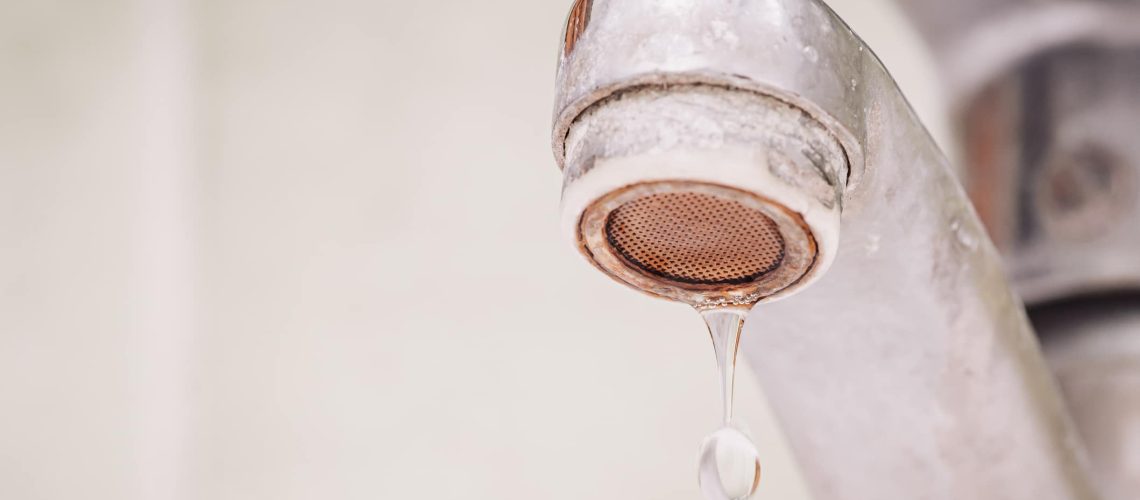
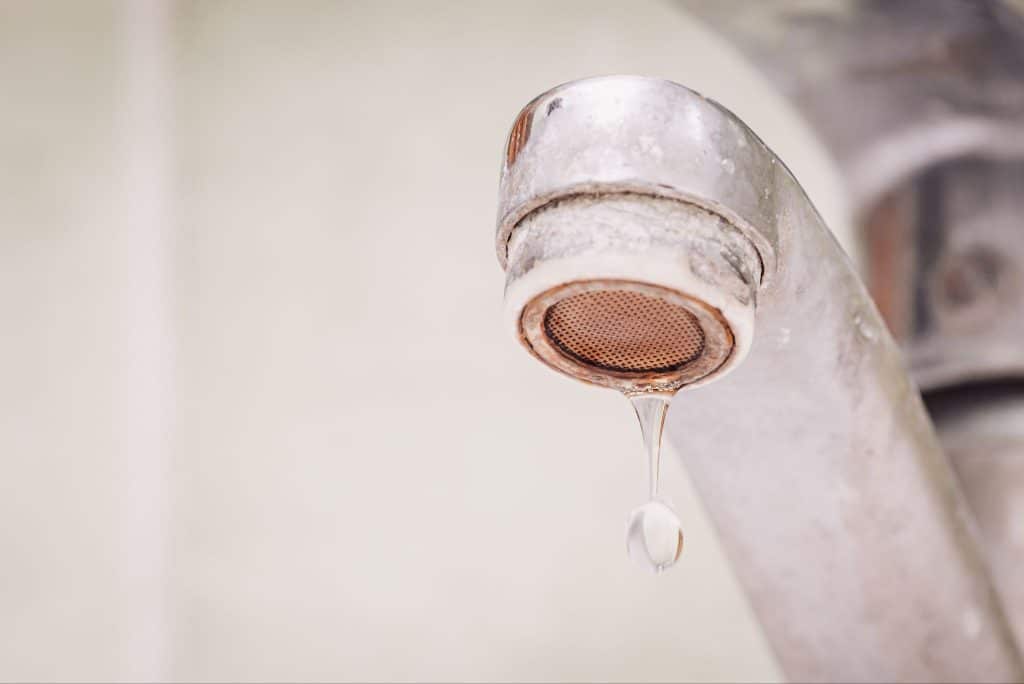
That chalky white crust around taps, showerheads, and sinks is mineral scale. If it keeps returning shortly after cleaning, hard water is usually the reason.
- Cloudy Dishes and Glassware
When glasses come out of the dishwasher looking spotted or hazy, minerals are often drying onto the surface during the rinse cycle.
- Dry Skin and Hair
Hard water makes soap harder to rinse away completely. Many homeowners describe their skin feeling tight or dry after showers, especially during Calgary winters when indoor air is already dry. Hair can also feel heavier, duller, or harder to manage.
- Soap That Never Seems to Lather Properly
Hard water reduces soap efficiency.
That means you often use more shampoo, detergent, dish soap, and cleaning products just to get the same results.
- Low Water Pressure
Mineral buildup inside pipes and fixtures can slowly reduce water flow over time.
In older Calgary homes, hard water buildup inside plumbing lines is extremely common.
- Appliances Breaking Down Earlier Than Expected
If your dishwasher, washing machine, or water heater needs repairs sooner than expected, hard water could be contributing to the wear.
Do You Actually Need a Water Softener?
Not every home needs one, but in Calgary, many homeowners eventually decide that the long-term savings and convenience outweigh the upfront cost.
A water softener usually makes the most sense if:
- You notice recurring scale buildup
- Your home has expensive water-using appliances
- You own a tankless water heater
- You are constantly cleaning soap scum or hard water stains
- Your skin and hair feel noticeably dry after showers
- Your plumbing fixtures clog frequently
- You plan to stay in the home long term
For some homeowners, the decision comes down to comfort. For others, it is about protecting thousands of dollars’ worth of plumbing equipment. A properly sized water softener helps reduce mineral buildup before it reaches your fixtures and appliances.
Salt-Based vs. Salt-Free Water Softeners
Salt-Based Water Softeners
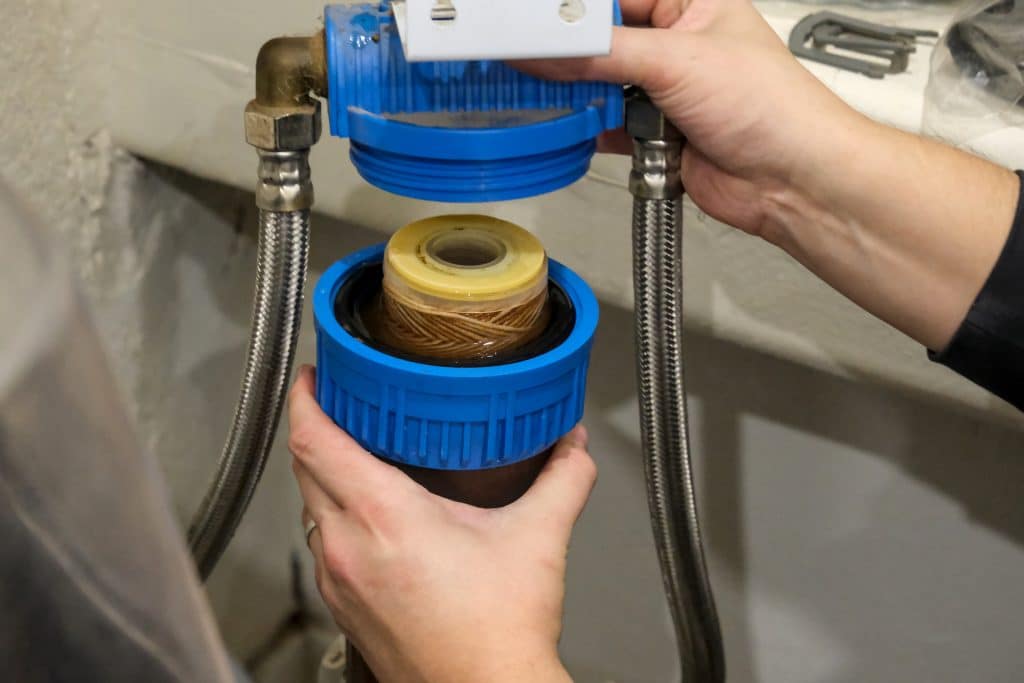
These are the traditional systems that remove calcium and magnesium through an ion exchange process.
In Calgary, salt-based systems are usually the most effective option for homeowners dealing with very hard water.
Benefits include:
- Significant reduction in mineral buildup
- Softer-feeling water throughout the home
- Better soap performance
- Reduced strain on appliances
- Less spotting on dishes and fixtures
The tradeoff is ongoing maintenance. You need to replenish salt periodically, and the system requires occasional servicing.
Salt-Free Water Conditioners
Salt-free systems do not technically remove hardness minerals.
Instead, they help reduce the minerals’ ability to stick to surfaces and form scale.
These systems are lower maintenance, but they are generally less effective in areas with very hard water, like Calgary.
For homeowners expecting the classic “soft water” feel, salt-free systems can sometimes be disappointing.
What Does a Water Softener Cost in Calgary?
The price varies based on home size, water usage, and the type of system installed.
In Calgary, most professionally installed systems typically fall somewhere between:
- $1,500 to $3,500+ for a quality whole-home system
- Higher-end systems for larger homes can exceed that range
Installation complexity matters too. Older homes may require plumbing modifications, especially if there is limited space near the main water line.
Homeowners should also factor in:
- Salt refills
- Annual maintenance
- Occasional servicing or resin replacement over time
That said, many homeowners offset some of those costs through fewer plumbing repairs, longer appliance lifespan, and improved energy efficiency.
How Long Does a Water Softener Last?
A well-maintained water softener can often last 10 to 15 years, sometimes longer.
The resin inside the system may eventually need replacement depending on water quality and household usage.
Routine maintenance makes a major difference. Ignoring maintenance is one of the biggest reasons systems fail earlier than expected.
The Bigger Question Calgary Homeowners Should Ask
A lot of people ask whether Calgary’s hard water is “bad.” That is not really the right way to think about it. Hard water is not dangerous. But it is hard on homes.
The better question is this:
How much mineral buildup are you willing to let accumulate inside your plumbing system over the next five or ten years?
For some homeowners, occasional cleaning and maintenance are enough. For others, especially families investing in newer appliances, renovated bathrooms, or tankless systems, a water softener becomes less of a luxury and more of a preventive upgrade.
Final Thoughts
You cannot change the mineral content coming into your home, but you can decide how much impact it has on your plumbing, appliances, and daily comfort.
If you are constantly scrubbing white buildup off fixtures, dealing with dry skin, or noticing appliances struggling earlier than they should, your water may already be telling you something.
At Tip Top Plumbing, our team helps homeowners assess how hard water is affecting their home and whether a water softener is the right solution. We can inspect your plumbing system, identify signs of scale buildup, recommend a properly sized system based on your household’s water usage, and handle professional installation.
If you are dealing with recurring hard water problems or want expert advice before investing in a system, contact the team at Tip Top Plumbing to schedule an inspection or speak with a professional about your options.