

For decades, furnaces have been the standard heating system in Calgary homes. Alberta winters demand reliable heat, and gas furnaces have traditionally handled extreme cold better than most alternatives.
Now, heat pumps are becoming much more common across Calgary, especially as homeowners look for lower energy consumption, year-round heating and cooling, and newer high-efficiency systems. Government rebates and rising interest in electrification have also pushed more homeowners to consider replacing traditional furnaces altogether.
The question is whether heat pumps actually make sense in Alberta’s climate. The answer depends heavily on the home, the system design, and what homeowners expect during Calgary winters.
Why Heat Pumps Are Getting More Attention in Alberta
Heat pumps are not new, but the technology has improved considerably over the last several years.
Older systems struggled once temperatures dropped well below freezing, which made them difficult to rely on during Alberta winters. Modern cold-climate heat pumps are designed to continue operating in much lower temperatures than earlier generations, making them more practical for Calgary homes than they used to be.
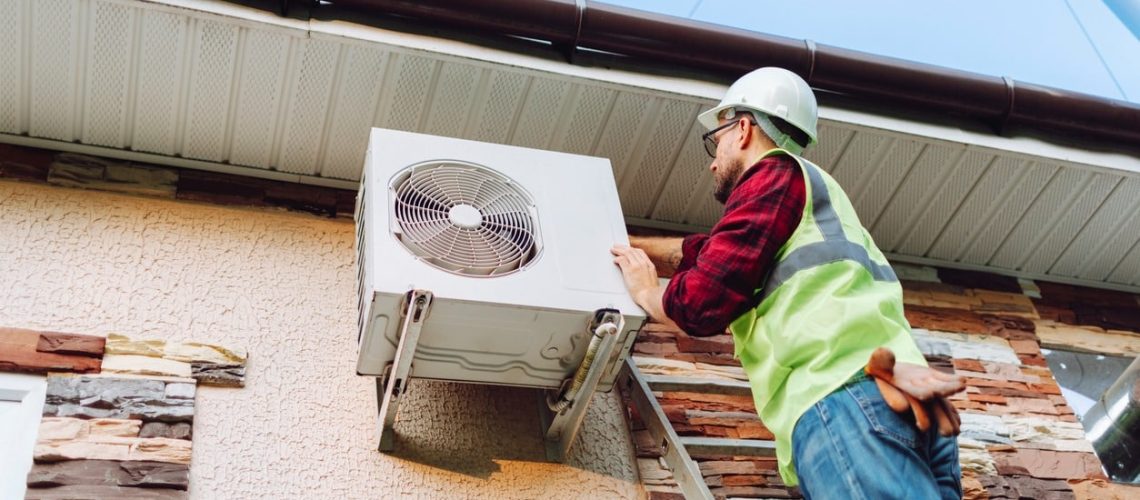
Unlike a furnace, a heat pump does not create heat through combustion. It transfers heat from outdoor air into the home using refrigerant and compressor technology. In summer, the process reverses, allowing the same system to function as air conditioning.
That dual-purpose design is one reason many homeowners are considering heat pumps when replacing both a furnace and an aging AC system at the same time.
How Calgary Winters Affect Heat Pump Performance
Calgary’s climate creates a unique situation for heat pumps.
Winter temperatures regularly fluctuate because of Chinooks, which means the city often experiences long stretches of milder winter weather mixed with periods of extreme cold. During moderate temperatures, heat pumps can operate very efficiently and maintain stable indoor comfort with relatively low energy use.
Performance changes once temperatures drop significantly.
As outdoor air gets colder, heat pumps have to work harder to extract heat. Efficiency gradually decreases, and during prolonged cold snaps, many systems rely on supplemental heating to maintain indoor temperatures comfortably.
That backup heat may come from:
- A secondary gas furnace
- Electric resistance heating
- A dual-fuel hybrid system
This is why many HVAC professionals in Alberta recommend hybrid systems rather than fully replacing furnaces in every home. A heat pump can handle heating efficiently during milder conditions, while the furnace takes over during extreme cold when gas heat becomes more practical.
The Biggest Difference Homeowners Notice Indoors
One of the biggest adjustments for homeowners switching from a furnace to a heat pump is how the heat feels inside the home.
Gas furnaces typically produce hotter air through vents and raise indoor temperatures quickly. Heat pumps usually operate more gradually and maintain a steadier indoor temperature over longer periods.
That does not necessarily mean the home feels cold. However, some homeowners notice the air coming from vents feels less warm compared to a traditional furnace system.
In well-insulated homes, that difference is often minor. In older homes with drafts, poor insulation, or uneven airflow, the difference becomes more noticeable.
Which Calgary Homes Are Better Candidates for Heat Pumps?
Heat pumps tend to perform best in homes that already have good overall energy efficiency.
That often includes homes with:
- Proper insulation
- Modern windows
- Good air sealing
- Updated ductwork
- Lower overall heat loss
Newer Calgary homes are often better suited because modern building standards already focus heavily on efficiency.
In older homes, the heating system itself is not always the main issue. A house that loses heat quickly will force any heating system to work harder, especially during Alberta winters.
Before installing a heat pump, many homeowners benefit from evaluating the condition of:
- Insulation
- Windows
- Attic ventilation
- Duct leakage
- Air sealing around doors and exterior openings
Improving the home’s ability to retain heat can significantly improve heat pump performance and reduce overall heating costs.
Operating Costs: Heat Pump vs. Furnace in Alberta
Many homeowners considering a heat pump are mainly focused on monthly utility costs.
The comparison is not always straightforward in Alberta because electricity and natural gas prices fluctuate independently.
Heat pumps are generally very efficient during milder weather because they move heat instead of generating it directly. Under the right conditions, that can reduce overall energy consumption considerably.
However, once outdoor temperatures fall far enough, efficiency declines and supplemental heating may become necessary. If the backup system relies heavily on electric resistance heat, operating costs can increase quickly during colder periods.
A high-efficiency gas furnace can still be relatively economical to operate during Calgary winters, particularly in homes with high heating demand.
Actual operating costs depend on several factors, including:
- Home insulation
- Utility rates
- System sizing
- Installation quality
- Outdoor temperatures
- Thermostat settings
- Backup heating configuration
This is why accurate heat loss calculations matter so much during system selection. Improper sizing is one of the most common causes of poor performance and higher-than-expected operating costs.
Installation Quality Matters More Than Most Homeowners Realize
In Calgary’s climate, installation quality can affect system performance just as much as the equipment itself.
A properly designed system needs to account for:
- The home’s heating load
- Duct capacity
- Airflow balancing
- Electrical requirements
- Defrost cycles
- Backup heating integration
Without proper planning, homeowners may experience uneven heating, excessive energy use, or systems struggling during colder weather.
That is also why online efficiency claims do not always reflect real-world performance inside Alberta homes. Two identical heat pumps can perform very differently depending on how the system was designed and installed.
So, Is a Heat Pump Worth It in Calgary?
For some homeowners, absolutely.
In the right home, a properly installed cold-climate heat pump can provide efficient heating, reliable cooling, and lower overall energy use during much of the year.
For other homes, especially older properties with high heat loss, a furnace may still provide better overall comfort and winter reliability unless additional upgrades are completed first.
Many Calgary homeowners ultimately choose a hybrid system because it allows both technologies to work where they perform best. The heat pump handles moderate temperatures efficiently, while the furnace supports the home during extreme cold.
Final Thoughts
Heat pumps are becoming much more viable in Alberta than they were even a decade ago, but Calgary’s climate still requires realistic expectations and proper system planning.
The most important factor is not simply choosing between a furnace and a heat pump. It is understanding how the home itself performs during winter and selecting a system that matches those conditions properly.
At Tip Top Plumbing, our team helps homeowners evaluate heating systems based on real-world performance, home efficiency, and long-term operating costs. Whether you are considering a heat pump, upgrading an aging furnace, or exploring a hybrid system, we can assess your home and help you understand which option makes the most sense for Calgary’s climate.
To learn more about heating system upgrades or schedule an inspection, visit https://www.tiptopplumbing.ca/.