


Water is a helpful thing — until it decides to wander where it absolutely shouldn’t. A small leak tucked behind drywall or slowly creeping under flooring can quietly rack up thousands of dollars in damage before you ever see the first puddle. And if there’s one thing Canadian homeowners know, it’s that home repairs already cost enough without adding avoidable water disasters into the mix.
The good news? Hidden plumbing leaks can be spotted early if you know what to look for. And while they tend to be sneaky, they’re not unbeatable — especially when you understand the subtle clues your home is trying to give you. Tip Top Plumbing has handled countless concealed-leak calls across Ontario, and we’ve seen the same warning signs show up again and again. Recognizing them early can save you time, money, and a whole lot of “why is this wall suddenly soft?” panic.
Before going deeper, it’s worth noting that hidden plumbing leaks often behave differently from the obvious ones. A burst pipe under your kitchen sink will introduce itself quite dramatically. But a slow pinhole leak behind a bathroom wall? That one prefers to work undercover — quietly, patiently, and with an impressive commitment to destruction if left unattended.
Subtle Changes in Water Bills
A gradually rising water bill is like the financial version of a whisper. Most households have a fairly consistent range month to month, even with seasonal differences. When that number starts creeping upward for no logical reason (no new appliances, no extended houseguests, no sudden love for 45-minute showers), it’s often one of the earliest indicators that water is escaping somewhere you can’t see.
In many homes, especially older ones, leaks can continue for weeks or even months before signs appear on surfaces. The bill becomes the first red flag because the water meter is honest, even when the pipes aren’t. One practical way to double-check: turn off all taps and appliances for an hour, then check your meter again. If it’s still moving, your plumbing is up to something.
Musty or Unexplained Odours
Imagine walking into a room and catching that faint, earthy smell. That scent is more than an inconvenience — it’s often the earliest sensory cue of trouble. Hidden moisture trapped in walls, flooring, or insulation creates a prime environment for mould to thrive, even if it’s not yet visible.
What makes this sign so tricky is that the odour doesn’t always correspond with the exact location of the leak. Airflow moves smells around, so the leak might be in the wall behind you while the musty scent drifts to the hallway. Homeowners sometimes dismiss these smells as “old house scent,” but buildings don’t typically develop sudden odour hobbies. If the smell is new, persistent, or shows up after a shower or dishwasher cycle, it’s worth investigating.
Discolouration on Walls or Ceilings
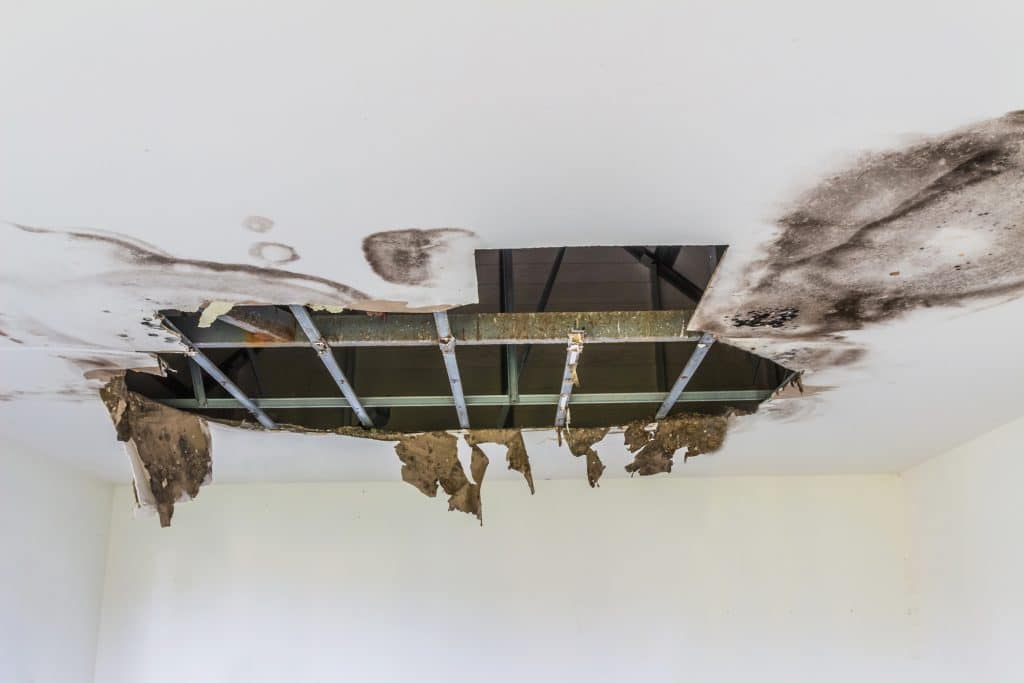
Moisture rarely stays politely in one spot. Once it finds its way into drywall, it spreads outward, often creating blotchy stains that range from pale yellow to deeper brown. These watermarks can appear gradually or suddenly, depending on the size of the leak.
Sometimes, the staining is so faint that homeowners miss it entirely — especially in dimly lit rooms or corners. A trick pros use is to shine a flashlight at an angle across the wall. The raking light makes subtle discolouration, bubbling paint, and slight warping much easier to spot.
Ceilings are particularly vulnerable, especially in bathrooms. A small leak from a shower drain or cracked pipe can seep into the subfloor and eventually discolor the ceiling below. If ignored, these spots can turn soft or even begin sagging, and trust us — that’s a level of drama no homeowner wants.
Unusual Sounds Coming From the Walls
Water has a surprisingly recognizable cast of characters when it comes to sound. A hiss, a faint drip, a gentle tapping — none of these belong in a wall unless you’ve adopted a very odd pet. Sometimes the sounds are subtle enough that you only notice them at night when the house is quiet. Other times, they’re intermittent, making homeowners think they imagined it.
If you hear noise when no water is running, that’s a strong sign that something in the plumbing is misbehaving. Even the sound of running water from a non-activated fixture can indicate a leak or a toilet continuously filling due to a worn-out component. People often assume “pipes always make noise,” but continuous or rhythmic sounds usually indicate movement where and when it shouldn’t be happening.
Changes in Water Pressure
An unexpected dip in water pressure can feel like your home is personally judging your shower routine. But in reality, it often points to water escaping somewhere along the supply line before it reaches the tap.
Pressure changes are especially common when leaks occur in the main line running into the house or within walls feeding high-use areas like kitchens and bathrooms. If you notice slow water flow in multiple fixtures, not just one specific tap, the issue is more likely tied to the plumbing system rather than a single fixture. Left unchecked, pressure drops can escalate into bigger structural concerns as water continues to escape.
Warm Spots on Floors
If your home has radiant heating, some warm spots are normal. If it doesn’t, and your floor suddenly feels like it’s auditioning to be a heated walkway, that’s a clue worth paying attention to. Warm zones often indicate a leak from a hot-water line running beneath the flooring. These leaks can go unnoticed for long periods because the water is absorbed into subflooring before surface-level damage appears.
This warning sign is common in homes with slab foundations or finished basements, where pipes are concealed beneath flooring. Detecting warm patches early can help prevent costly structural repairs and mould removal later.
When flooring changes temperature unexpectedly, it often pairs with another subtle indicator: slight warping or lifting in laminate or hardwood. These materials don’t appreciate prolonged moisture, and even a minimal leak underneath can cause them to expand or create small ridges. Many homeowners assume these shifts are just “old flooring issues,” but materials rarely move without a reason. Water is often the reason.
Peeling Paint or Bubbling Wallpaper
Walls are excellent storytellers. When moisture begins seeping through them, they tend to give up their secrets through texture. Bubbling paint, peeling wallpaper, or small pockets that look like air blisters are common signs of a slow leak beneath the surface.
Because moisture weakens the bond between drywall and paint, these textured changes often start small and grow over time. In bathrooms, homeowners sometimes dismiss bubbles as “steam damage,” but steam usually affects only the outer layer and dries quickly. Persistent bubbling (especially if it worsens after using plumbing fixtures) suggests something deeper is happening behind the wall.
Random Cold Spots
Just as warm areas can flag a hot-water line leak, cold spots can signal a leaking cold-water pipe. These patches often appear on walls, especially behind showers or sinks. They can feel slightly damp or simply colder than the surrounding surface. In Canadian climates, where interior temperatures fluctuate during winter, these spots become easier to notice, especially in basements or rooms with less insulation.
A quick homeowner test: compare temperatures across the wall with your hand or a contactless thermometer. If one small area is consistently cooler, and no vent or external factor is contributing to it, a hidden leak could be the culprit.
Mould or Mildew Growth
Mould loves two things: moisture and a quiet place to spread. Hidden leaks provide both. Even a tiny amount of water inside a wall cavity is enough to encourage growth. Sometimes mould doesn’t show up as obvious dark spots; instead, you might see subtle speckles or a chalky-looking patch in corners, closets, or areas with poor ventilation.
If you’ve cleaned a spot repeatedly and it keeps returning, it’s often due to moisture feeding it from behind the drywall. Because mould spreads quickly, early detection is crucial — not just for your home, but for your health.
Floor or Wall Movement
Water is surprisingly strong when it comes to structural impact. A slow leak can cause the edges of flooring to curl, baseboards to shift outward, or wall sections to feel slightly soft when pressed. Soft spots are particularly concerning because they often mean the materials have absorbed enough water to compromise their integrity. The longer a leak continues, the more extensive the damage becomes.
Tiles can also start to loosen, especially in bathrooms and kitchens. While grout wear is normal over time, tiles lifting without an obvious cause almost always point to moisture beneath them.
Condensation in the Wrong Places
Condensation is normal around windows and exterior doors in colder months, but it’s not normal on interior walls, ceilings, or around light fixtures. If you notice water droplets forming in these areas, it might not be due to humidity — it could be moisture releasing from within the structure. This is often a later-stage sign of a hidden leak, meaning the moisture has built up long enough to begin migrating outward.
Light fixtures deserve special attention here. Any sign of water around electrical components is a safety concern and should be addressed immediately.
Your Plumbing Fixtures Behaving Oddly
If your toilet starts refilling long after it’s been flushed, or your faucet begins spitting air before water flows normally, it could indicate air entering the plumbing system through a leak. Gurgling drains, dripping sounds from empty rooms, or a sudden drop in the consistency of hot water also hint that plumbing components are struggling to maintain normal pressure.
Even small changes, like a faucet that suddenly takes longer to get warm, can be clues, especially if you live in a home where the plumbing usually behaves predictably.
What To Do If You Suspect a Hidden Leak
Once you’ve spotted one or more signs, the next steps matter. Hidden leaks rarely fix themselves, and delaying repairs increases the chance of structural damage, high water bills, and mould.
Here’s the most practical course of action for homeowners:
1. Document What You See
Take photos or videos of the symptoms. This helps track changes and supports insurance claims if needed.
2. Shut Off Water to the Affected Area (If Possible)
If you know which fixture is connected to the suspected leak, turning off the local shutoff valve can slow or stop the issue until help arrives.
3. Avoid DIY Wall-Demolition Experiments
It’s tempting to poke around, especially when you’re confident you’ve found the problem area. But guessing can lead to unnecessary damage and higher repair costs. Professionals use moisture meters, thermal imaging, and acoustic tools that eliminate the guesswork.
4. Call a Licensed Plumber
A certified plumber can detect the leak, access it with minimal disruption, and repair the root cause. The goal isn’t just stopping the symptom — it’s preventing the issue from returning.
In regions like the Greater Toronto Area, where older homes mix with new builds, hidden leak behaviour varies widely. Tip Top Plumbing has seen everything from failing copper pipes to damaged PEX joints to shower drain seals that simply surrendered to time. The earlier the problem is diagnosed, the simpler (and less expensive) the repair tends to be.
How Tip Top Plumbing Helps Homeowners Catch Leaks Early
Tip Top Plumbing uses industry-grade tools to locate leaks with precision. Thermal imaging cameras help identify temperature changes behind walls. Moisture meters detect dampness before it becomes visible. Acoustic sensors can pinpoint the exact source of a drip. This technology allows for targeted repairs without tearing apart entire sections of your home.
Beyond detection, the team ensures the underlying issue is properly corrected — whether that’s a corroded pipe, a failing fitting, or a fixture that needs to be replaced. Many homeowners appreciate that leak detection and repair can often happen on the same visit, minimizing downtime and disruption.
Protecting Your Home Long-Term
Preventing future leaks starts with awareness and regular maintenance. Periodic inspections of exposed plumbing, replacing aging fixtures, monitoring your water bill, and watching for small changes inside your home all contribute to early detection.
For additional peace of mind, some homeowners install smart water monitors that alert them when unusual water usage is detected. These devices can’t replace professional inspections, but they add another layer of protection — especially in vacation properties or rentals.
Final Thoughts
Hidden leaks are sneaky, but they’re not invisible. Your home provides clues long before the damage becomes expensive or dangerous. Paying attention to those signals (and acting quickly when something seems off) can save you thousands in repairs while keeping your home comfortable and safe.
If you suspect a leak or simply want the peace of mind of a professional assessment, Tip Top Plumbing is ready to help. Their expert team has the tools, training, and local experience to find and fix issues before they escalate into major headaches.
Just because a leak is hidden doesn’t mean it has to stay that way.