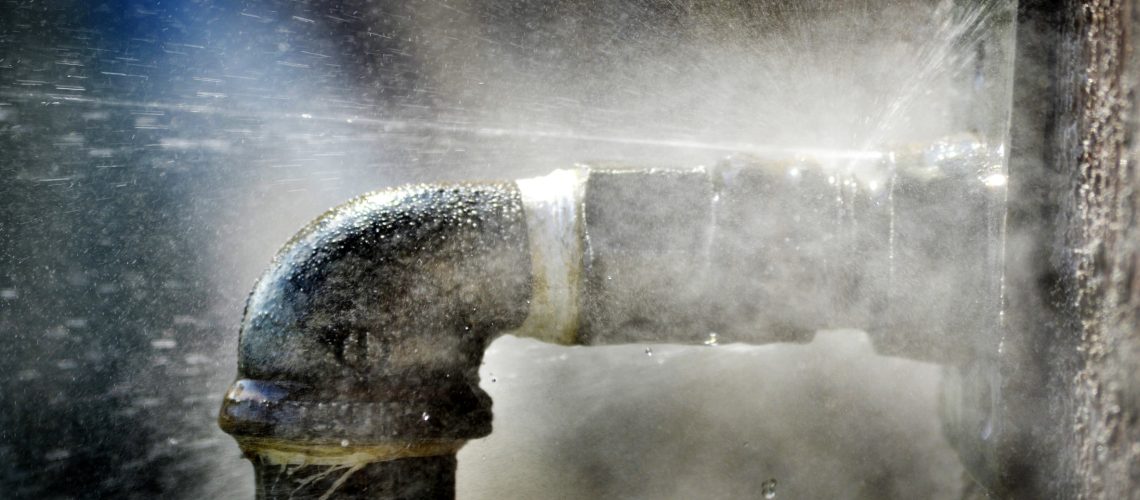

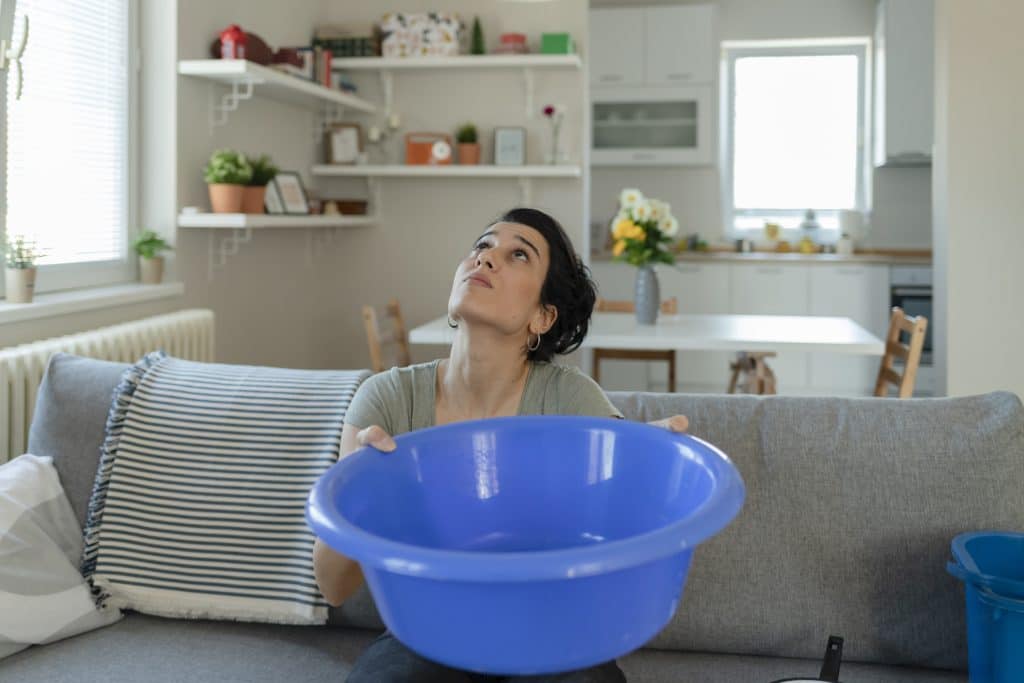
A burst pipe is one of the most stressful plumbing emergencies a homeowner can face. One moment, everything seems fine. Next, water is pouring into your basement, damaging floors, walls, furniture, and personal belongings. In Alberta, where winters are long and temperatures can swing dramatically, pipe bursts are an especially common and costly problem.
Understanding why pipes burst is the first step toward preventing them. Many homeowners are surprised to learn that pipe failures are often preventable with proper preparation, maintenance, and awareness of local conditions. Alberta’s climate, housing styles, and plumbing systems pose unique risks that homeowners should be prepared for.
When it comes to burst pipes, Alberta homeowners face a perfect storm of freezing temperatures, aging infrastructure, and sudden weather changes. These factors combine to put extreme stress on residential plumbing systems, especially during winter cold snaps and early spring thaws. Knowing what causes pipes to burst can help you take action before a minor issue turns into a major emergency.
Why Alberta Homes Are Especially Vulnerable to Pipe Bursts
Alberta experiences some of the most extreme winter conditions in Canada. Temperatures can drop well below freezing for extended periods, and rapid freeze-thaw cycles are common throughout the season. These conditions place constant pressure on pipes, especially those carrying water through unheated or poorly insulated areas of the home.
Many Alberta homes also have plumbing lines running through basements, crawl spaces, exterior walls, garages, and attics. When cold air reaches these pipes, the water inside can freeze, expand, and eventually crack or burst the pipe.
Older homes may be at even greater risk. Aging pipes, outdated materials, and older installation standards can increase the risk of failure in extreme cold.
Freezing Temperatures and Inadequate Insulation
The most common cause of pipe bursts in Alberta homes is freezing. When water freezes, it expands. If water inside a pipe freezes completely, the expanding ice creates pressure against the pipe walls. This pressure can cause the pipe to split, crack, or burst open.
Pipes located in exterior walls are particularly vulnerable. Even if the rest of your home is heated, cold air can seep into wall cavities and lower the temperature around the pipe. Garages, especially attached garages, are another high-risk area if they are not heated or properly insulated.
Basements and crawl spaces can also pose problems. While they may seem protected, cold air can enter through foundation cracks, vents, or poorly sealed windows. Without proper insulation, pipes in these areas can freeze during prolonged cold spells.
Poor Air Sealing and Drafts
Insulation alone is not always enough. Air leaks play a major role in pipe freezing and bursting. Small gaps around windows, doors, electrical outlets, and plumbing penetrations can allow cold air to flow directly onto pipes.
In Alberta homes, drafts are often overlooked because the living space still feels warm. Meanwhile, cold air moves freely behind walls or under floors, chilling pipes in hidden areas. Repeated exposure to cold drafts weakens pipes and increases the risk of freezing.
Sealing air leaks is one of the most effective ways to protect plumbing. Caulking, weatherstripping, and spray-foam insulation can significantly reduce infiltration of cold air and help maintain a stable temperature around pipes.
Sudden Temperature Drops
Alberta’s weather is known for its unpredictability. A relatively mild winter day can quickly turn into an overnight deep freeze. These sudden temperature drops are hazardous for plumbing systems.
When temperatures drop rapidly, pipes do not have time to adjust gradually. Water in the pipe can freeze faster than expected, especially in areas already borderline cold. Homes that are normally safe can become vulnerable during these abrupt cold snaps.
This is why pipe bursts often occur during extreme cold warnings, even in houses that have never had plumbing issues before. Monitoring weather forecasts and taking preventative steps ahead of sudden freezes can make a significant difference.
Aging or Corroded Pipes
Not all pipe bursts are caused by freezing. In many Alberta homes, especially older ones, pipes fail due to age and corrosion. Over time, metal pipes can corrode from the inside, thinning the walls and increasing the risk of cracking.
Older materials such as galvanized steel are particularly prone to corrosion. Even copper pipes can weaken after decades of use, especially if water chemistry contributes to gradual wear.
When a pipe is already weakened, freezing temperatures or pressure changes can easily push it past its breaking point. Regular inspections by a professional plumber can help identify aging pipes before they fail.
High Water Pressure
Excessive water pressure places constant stress on plumbing systems. While high pressure may not cause an immediate burst, it accelerates wear and tear on pipes, joints, and fittings.
In winter, high pressure combined with freezing conditions is especially risky. If ice partially blocks a pipe, pressure can build up behind the blockage. This trapped pressure can cause the pipe to rupture, often at a location different from the freeze.
Many homeowners are unaware of their home’s water pressure. Installing a pressure regulator or having it pressure tested can help prevent unnecessary strain on your plumbing system.
Pipes Left Unused During Winter
Unused water lines are another common cause of pipe bursts in Alberta. Vacation homes, rental properties, basement bathrooms, outdoor taps, and garage sinks often go unused for long periods during winter.
When water sits still in pipes, it is more likely to freeze. Flowing water freezes more slowly, which is why a small trickle during extreme cold can help prevent freezing.
Homes left vacant during winter are at particularly high risk. Without regular water use and consistent heating, pipes can freeze and burst without notice, causing significant damage.
Outdoor Hose Bibs and Exterior Plumbing
Outdoor faucets and hose bibs are often overlooked but are a frequent source of winter pipe bursts. If a hose is left connected during freezing weather, water can become trapped inside the pipe, freeze, and cause a rupture inside the wall.
Even frost-free hose bibs can fail if they are not installed correctly or if the interior shut-off valve is not closed. Alberta winters are unforgiving, and exterior plumbing requires special attention before temperatures drop.
Warning Signs a Pipe May Be About to Burst
Pipe bursts rarely happen without warning. The challenge is that many signs are subtle and easy to overlook, especially during winter, when plumbing systems are under constant stress.
One of the most common early signs is reduced water flow. If a faucet suddenly has lower-than-usual pressure, ice may be forming inside the pipe. Frost on exposed pipes is another clear warning. If you see visible frost buildup, the pipe temperature is already at or below freezing.
Unusual sounds can also signal trouble. Banging, whistling, or gurgling noises when water is running may indicate pressure buildup or partial freezing. In some cases, homeowners notice discoloured water, which can point to corrosion or internal pipe damage.
Damp spots on walls, ceilings, or floors should never be ignored. These can indicate small leaks caused by cracks forming in the pipe. Addressing these issues early can prevent a full burst and extensive water damage.
How to Prevent Pipe Bursts in Alberta Homes
Prevention is always easier and less expensive than dealing with a plumbing emergency. Alberta homeowners can significantly reduce their risk of pipe bursts by taking a few proactive steps.
Insulate Vulnerable Pipes
Pipes in exterior walls, basements, crawl spaces, and garages should be properly insulated. Foam pipe insulation is inexpensive and effective at maintaining temperature. In especially cold areas, heat tape may be recommended.
Seal Drafts and Air Leaks
Cold air infiltration is a major contributor to frozen pipes. Sealing gaps around windows, doors, and utility penetrations helps prevent cold air from entering the plumbing. This also improves overall energy efficiency.
Keep a Consistent Indoor Temperature
During winter, keep your home heated even if you are away. Sudden drops in indoor temperature can quickly cause pipes to freeze. If leaving for an extended period, consider having someone check on the property regularly.
Let Faucets Drip During Extreme Cold
Allowing a small trickle of water to flow through faucets connected to vulnerable pipes can help prevent freezing. Moving water is less likely to freeze than stagnant water.
Disconnect Outdoor Hoses
Always disconnect garden hoses before winter and, if available, shut off the interior valve to outdoor faucets. Drain any remaining water from exterior plumbing lines.
Schedule Regular Plumbing Inspections
A professional inspection can identify weak points in your plumbing system, such as aging pipes, corrosion, or improper installation. Addressing these issues early reduces the risk of failure during cold weather.
What to Do Immediately If a Pipe Bursts
Even with proper preparation, pipe bursts can still happen. Knowing what to do in the first few minutes can significantly reduce damage.
First, shut off the main water supply to your home. This stops water flow and reduces flooding. If you are unsure where your main shut-off valve is, locate it before winter begins.
Next, turn off electricity in affected areas if water is near electrical outlets or appliances. Safety should always come first.
Open faucets to drain remaining water from the system and relieve pressure. If possible, move belongings away from the affected area and begin removing standing water using towels, buckets, or a wet vacuum.
Finally, contact a professional plumber immediately. Temporary fixes may slow the leak, but proper repair is essential to prevent further damage or repeat failures.
Why Professional Repairs Matter
Pipe bursts are not just about fixing a single crack or replacing one section of pipe. In many cases, the underlying cause needs to be addressed to prevent future problems.
A professional plumber can assess whether insulation is adequate, identify hidden damage, and recommend upgrades if necessary. They can also check water pressure, evaluate pipe materials, and ensure that repairs comply with local building codes.
Quick, professional repairs also help protect your home’s structure. Water damage can lead to mould growth, weakened framing, and costly restoration work if not handled properly.
Protecting Your Home Long-Term
Preventing pipe bursts is an ongoing process, not a one-time task. Alberta’s climate requires regular maintenance of plumbing systems, especially as homes age and weather patterns become more unpredictable.
Homeowners should review their plumbing setup every fall, paying special attention to vulnerable areas. Keeping an emergency plan in place and knowing who to call can make a stressful situation far more manageable.
When to Call Tip Top Plumbing
If you suspect frozen pipes, notice warning signs, or experience a plumbing emergency, acting quickly is essential. Tip Top Plumbing works with homeowners across Alberta to diagnose, repair, and prevent pipe bursts.
With experience handling Alberta-specific plumbing challenges, their team understands how extreme cold affects residential systems. Whether it is emergency repairs, winterization advice, or preventative maintenance, professional support can make all the difference.
Final Thoughts
Pipe bursts are one of the most common and damaging plumbing issues Alberta homeowners face. Freezing temperatures, aging pipes, and sudden weather changes all contribute to the risk. By understanding the most common causes and taking proactive steps, homeowners can greatly reduce the likelihood of costly damage.
Preparation, awareness, and timely professional help are key. With the right approach and the proper support, your home can stay protected through even the harshest Alberta winters.